What Home Improvements Offer the Best Return Before Selling?
If you're thinking about selling your home in Ann Arbor, Michigan, you might be wondering which home improvements are worth making before putting it on the market. Should you update the kitchen, replace the flooring, repaint the walls, or focus on something outside?
The answer depends on your home's current condition, your budget, and what buyers in your area are looking for.
You don't necessarily need a major renovation to make your home more appealing. In many cases, a few well-chosen updates can help your property stand out, make a stronger first impression, and give buyers fewer reasons to hesitate.
Before spending money on a project, it's worth understanding which improvements are most likely to pay off and which ones might not be worth the expense.
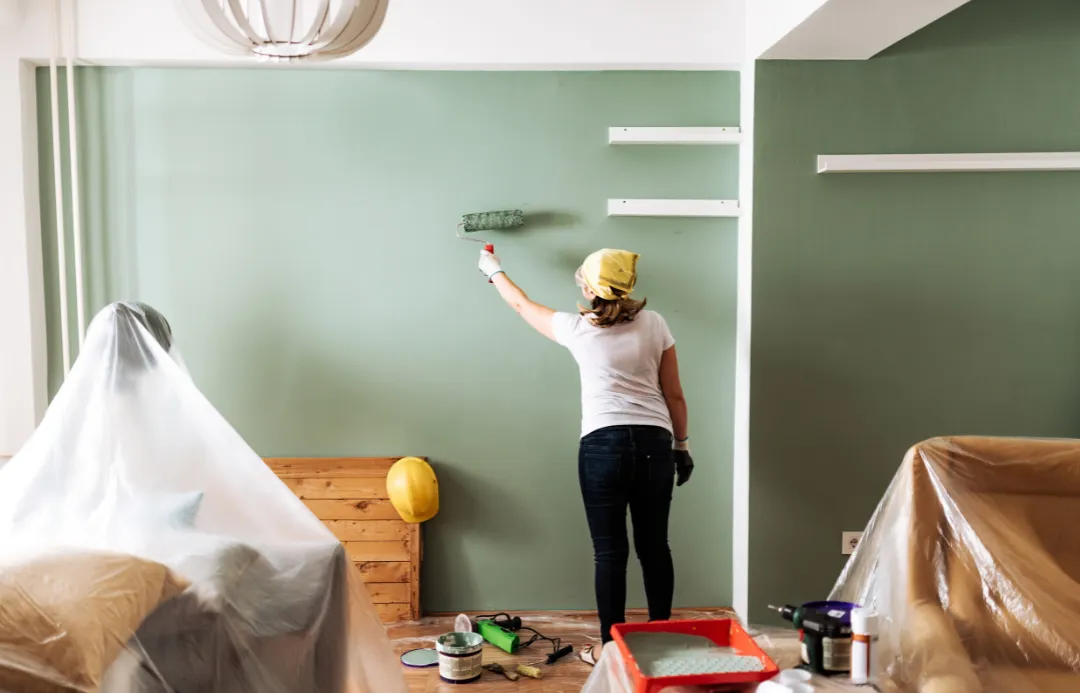
1. Fresh Paint Makes a Noticeable Difference
A fresh coat of paint is one of the simplest ways to make a home feel cleaner, brighter, and better maintained.
Over time, walls collect scuffs, marks, and fading. Bold colors or highly personalized paint choices can also make it harder for buyers to picture themselves living in the space.
Neutral shades such as warm white, soft gray, and light beige can help rooms feel more open and give buyers a blank canvas.
You don't have to repaint every room. Start with areas that show visible wear, such as the entryway, living room, kitchen, and main hallway. If the bedrooms are already in good shape, you may be able to leave them alone.
Why it can pay off: Fresh paint helps improve the overall presentation of your home without requiring a large investment. It can also make listing photos look more inviting.
2. Improve Your Home's Curb Appeal
Buyers begin forming opinions before they walk through the front door. The exterior of your home sets the tone for the rest of the showing.
Fortunately, improving curb appeal doesn't always require a major landscaping project.
Start with the basics. Mow the lawn, trim overgrown shrubs, remove weeds, clear the walkway, and add fresh mulch where needed. Clean the front door and consider a new coat of paint if it looks worn.
If your entryway feels dated, updated house numbers, attractive outdoor lighting, or a new welcome mat can make a difference.
In Ann Arbor, where mature trees and established landscaping are part of the appeal of many neighborhoods, it's often best to maintain the features that make your property distinctive rather than completely redesign the yard.
Why it can pay off: A well-maintained exterior helps buyers feel that the home has been cared for. It also gives your property a better first impression online and in person.
3. Focus on Kitchen Updates Instead of a Full Remodel
The kitchen is an important space for many buyers, but that doesn't mean you need to tear everything out before selling.
A complete kitchen renovation can be expensive, and you may not recover the full cost when you sell. The better approach is to look at what feels dated or worn and determine whether smaller updates would improve the space.
Depending on the condition of your kitchen, you might consider:
Replacing outdated cabinet hardware.
Painting cabinets that are suitable for refinishing.
Updating an old light fixture.
Replacing a worn or damaged faucet.
Cleaning or repairing countertops and backsplashes.
Making sure appliances are clean and in good working order.
If your cabinets are solid and the layout works well, these smaller changes may be enough to give the kitchen a fresher appearance.
If you're considering a property that needs more extensive work, it's worth understanding whether a home that needs updating is worth the investment before committing to a large renovation. The same principle applies when preparing your own home for sale: compare the likely cost with what buyers in your price range expect.
Why it can pay off: A clean, functional, attractive kitchen helps buyers focus on the home's potential instead of immediately calculating the cost of updates.
4. Refresh Bathrooms Where Buyers Will Notice
Bathrooms are another area where small improvements can go a long way.
You don't necessarily need new tile, a new vanity, or an entirely redesigned shower. Start by addressing anything that looks worn, dirty, or poorly maintained.
Recaulk the tub or shower if needed, clean the grout, replace damaged fixtures, and fix dripping faucets. A new mirror or updated lighting can also make an older bathroom feel more current.
Pay attention to details such as exhaust fans, towel bars, and storage. These may seem minor, but together they contribute to how well the space presents during a showing.
If there are signs of water damage, recurring moisture, or plumbing problems, address those issues rather than simply covering them up.
Why it can pay off: Buyers appreciate bathrooms that feel clean and functional. Taking care of visible maintenance issues can also help prevent concerns during inspections.
5. Take Care of Flooring and Visible Wear
Flooring has a big influence on how a home looks and feels.
Scratched hardwood, stained carpet, damaged vinyl, or loose floorboards can distract buyers from the rest of the property. On the other hand, clean and well-maintained flooring can make rooms feel more inviting.
Before replacing anything, determine whether the existing floors can be restored.
Hardwood floors may benefit from professional cleaning or refinishing. Carpets might need a deep cleaning, especially if there are noticeable stains or lingering odors. If a section of flooring is damaged, a targeted repair could be more practical than replacing the entire surface.
If replacement is necessary, consider how the new flooring will work with the home's style and the finishes in neighboring rooms. Consistency can make the house feel more cohesive.
Why it can pay off: Buyers are likely to notice flooring during a walkthrough, and visible damage can make a home seem less well maintained than it really is.
6. Make Necessary Repairs Before Cosmetic Upgrades
It's easy to get excited about visible improvements, but some of the most valuable work is less noticeable.
A loose handrail, leaking faucet, damaged window, malfunctioning garage door, or electrical issue can raise questions about how well the home has been maintained.
Before spending money on decorative updates, walk through the property and make a list of repairs that need attention.
Check that doors and windows open properly, replace burned-out bulbs, tighten loose hardware, and address obvious plumbing or maintenance problems. If you know about a more serious issue, consult the appropriate professional to determine what needs to be done.
These are also the issues that can raise concerns during a buyer's walkthrough. Addressing them before listing can help you prepare for questions that may come up during showings or inspections.
This is especially important if you're deciding between spending your budget on a cosmetic renovation and fixing something that could become a concern during a buyer's inspection.
Why it can pay off: Taking care of maintenance issues can reduce avoidable objections and help buyers feel more confident about the home's condition. It doesn't guarantee a higher sale price, but it can make the selling process smoother.
7. Don't Overlook Lighting and Energy Efficiency
Good lighting can change the way a home feels without requiring a major renovation.
Replace outdated fixtures where they affect the overall look of a room, use consistent light bulb color temperatures, and make sure every space is adequately lit. Before showings, open the blinds and curtains to bring in as much natural light as possible.
Energy efficiency is worth considering, too, particularly if your home has older equipment or noticeable drafts. Simple measures such as sealing air leaks, replacing worn weatherstripping, and improving insulation where appropriate can help with comfort and energy use.
More expensive projects, such as replacing windows or installing a new heating and cooling system, require a closer look at the numbers. Don't assume you'll recover the full cost simply because the improvement is desirable.
Buyers may appreciate energy-efficient features, but their impact on your home's value will depend on the property, the local market, and the buyer's priorities.
Why it can pay off: Comfortable, well-lit spaces make a home more appealing, while documented efficiency improvements can give buyers useful information about ongoing ownership costs.
8. Declutter and Stage the Home for Showings
Not every worthwhile improvement requires a contractor.
Decluttering is one of the most practical steps you can take before selling. Too much furniture, crowded countertops, overfilled closets, and personal items can make rooms feel smaller and distract buyers from the features of the home.
Start by removing items you don't use every day. Clear kitchen counters, organize closets, simplify shelves, and arrange furniture to make each room easy to navigate.
You don't have to remove every personal touch. The goal is to create a clean, comfortable space where buyers can appreciate the room's size, natural light, and functionality.
Depending on the home, professional staging may also be worth considering. An agent can help you determine whether rearranging existing furniture is enough or whether additional staging would be useful.
Why it can pay off: A well-presented home can photograph better, feel more spacious, and help buyers imagine how they would use the space.
Which Home Improvements Offer the Best Return?
There isn't one improvement that guarantees the best return for every home. A project that makes sense for a property in one neighborhood might be unnecessary in another.
As you plan, think about your priorities:
For a limited budget: Start with cleaning, decluttering, fresh paint where needed, curb appeal, and minor repairs.
For a dated but functional home: Consider selective kitchen and bathroom updates, improved lighting, and flooring repairs.
For a home with deferred maintenance: Address safety, water intrusion, mechanical issues, and other significant concerns before investing in cosmetic work.
For a home that already shows well: You may not need many improvements at all. Professional photography, thoughtful pricing, and a strong marketing plan could be more important than additional renovations.
It's also worth remembering that resale value and return on investment are not the same thing. An improvement might increase buyer interest without increasing the final sale price by the full amount you spent.
The cost of the project, the condition of your home before the work, and the expectations of competing listings all matter.
What Should You Avoid Spending Money On Before Selling?
Some projects are tempting because they make a home more enjoyable, but they may not make financial sense when you're preparing to move.
A complete kitchen overhaul, a luxury bathroom renovation, or a major addition can involve substantial costs and lengthy timelines. Highly personalized finishes can also appeal to some buyers while turning others away.
That doesn't mean you should never undertake a major project. If your home has a serious functional problem or is significantly behind comparable properties, a larger investment may be worth discussing.
However, before committing to an expensive renovation, ask whether buyers would expect that feature at your home's price point and whether a less expensive improvement could accomplish a similar goal.
You should also consider how long the work will take. If you're planning to list soon, a project that delays your sale or introduces unexpected complications may not be the best choice.
How to Decide Which Improvements Are Worth It in Ann Arbor
Before making a list of projects, take a look at homes similar to yours that are currently on the market or have recently sold in Ann Arbor and the surrounding communities.
What condition are those homes in? Which features stand out? Are buyers responding to updated kitchens and bathrooms, or are well-maintained homes with original features also selling successfully?
The answers can help you avoid spending money on improvements that won't make much difference to your potential buyers.
For example, an older home may have original hardwood floors, distinctive trim, or architectural details that buyers value. Understanding the character and features of an older home can help you decide what to preserve rather than replace simply to make the house look newer.
In another home, worn flooring, dated lighting, or neglected landscaping might be making an otherwise attractive property feel tired. Addressing those issues could be a better use of your budget.
The goal isn't to make every home look the same. It's to identify what will help your particular property compete in its market.
A local real estate professional can help you compare your home's condition with similar properties, prioritize the most useful updates, and estimate a realistic listing price before you start spending.
Make a Plan Before You Start Renovating
Preparing your home for sale doesn't have to mean taking on a long list of expensive projects.
Start by looking at the home through a buyer's eyes. What needs repair? What looks dated? Which areas would benefit from a little attention? And what already works well?
From there, focus on improvements that make the home feel clean, cared for, and ready for its next owner.
If you're planning to sell your home in Ann Arbor, I'd be happy to help you determine which updates are worth considering and which ones you can probably skip. A little planning before you spend can help you use your budget more effectively and move toward your sale with greater confidence.
About the Author
Nancy Arnold, Realtor®
The Charles Reinhart Company
2275 W. Stadium, Ann Arbor, MI 48103
[email protected]
734-260-3505
